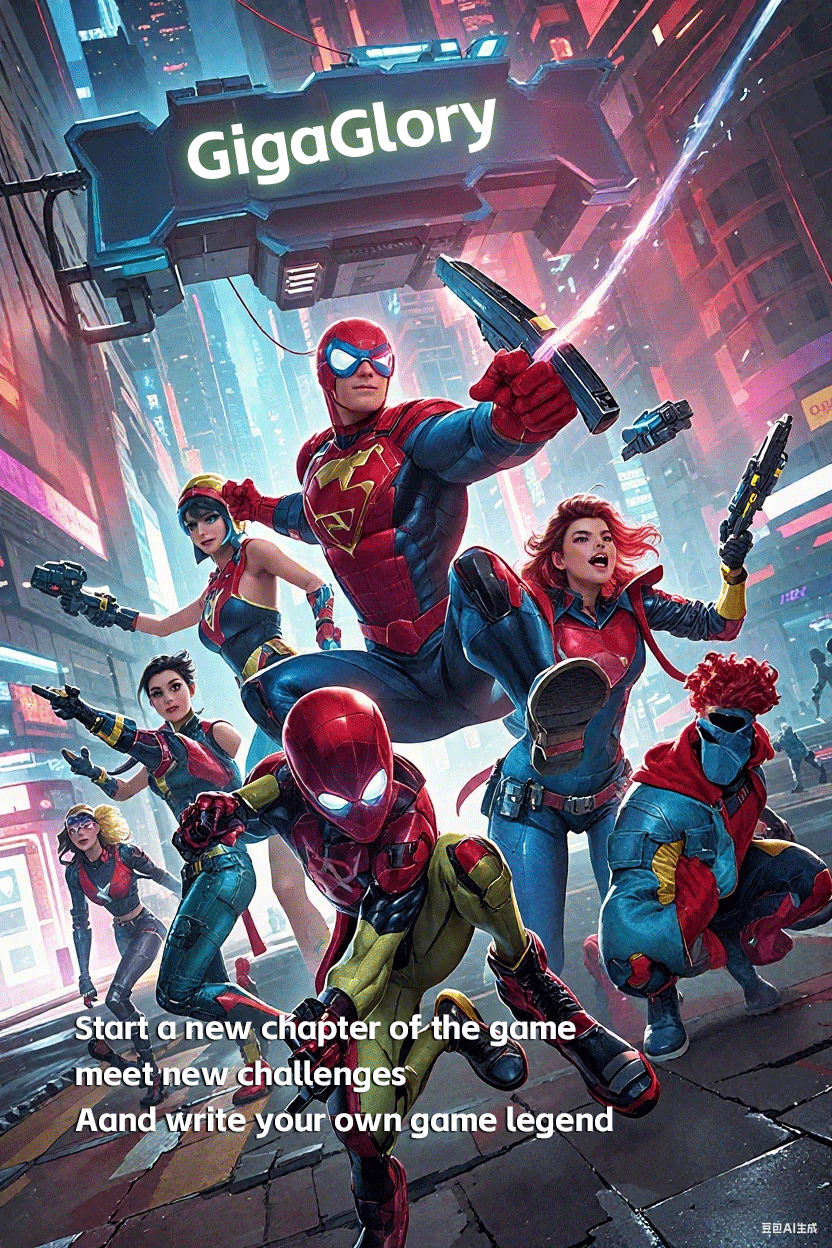
Unlocking Fun: The Evolution of Game Genres and Their Impact on Players
In the world of games, evolution is a constant theme, and the landscape is ever-shifting. While the basic appeal of gaming integrates fun and entertainment, the nuances of different genres can drastically alter player experiences. With the rise of various game types, from action-packed shooters to intricate matching story games, it’s essential to explore how these variations have shaped player interactions and preferences.
The Transition of Game Genres
From the pioneering days of arcade games to the vast virtual worlds we see today, genres have diversified immensely. Here’s a quick look at some defining moments in game genre evolution:
| Era | Key Genre | Defining Feature |
|---|---|---|
| 1980s | Platformers | Character-based movement & levels |
| 1990s | First-Person Shooters | Immersive combat and exploration |
| 2000s | Role-Playing Games (RPGs) | Complex narratives & character development |
| 2010s | Battle Royale | Massive multiplayer experiences |
This evolution isn’t merely about different types of gameplay; it's also about deeper engagement. Many players are drawn to the unique challenges and stories that various genres offer. As games have matured, developers have tapped into psychological drivers that keep players returning for more.
The Role of Storytelling in Games
One of the significant factors contributing to the popularity of matching story games is the powerful storytelling element they incorporate. Unlike purely skill-based games, these narratives draw players into immersive experiences that can evoke real emotions. Here’s why storytelling matters:
- Emotional Engagement: Players often form connections with characters and narratives.
- Replay Value: A compelling story invites players to revisit it, exploring alternate paths.
- Community Building: Engaging plots encourage discussions within gaming communities.
Games like “The Last of Us” or “Life is Strange” demonstrate this well. Players don’t just play; they live through the plot, making every decision intensely personal.
The Impact of Game Design on Player Engagement
Another critical aspect is how design influences gameplay. A poorly designed game might frustrate players, while an optimized game effortlessly guides them. Factors that greatly affect player experience include:
- Graphics: High-quality visuals create realistic environments that enhance immersion.
- Controls: Intuitive controls reduce frustration and allow players to focus on strategy.
- Leveling and Rewards: Balanced progression systems keep players motivated and engaged.
For example, a game like “Fortnite” thrives on its vibrant graphics and smooth mechanics, while games in the delta force premium repair category appeal to tactical gamers through strategic complexity.
Conclusion: The Future of Gaming Genres
As we look forward, it’s clear that the evolution of game genres will continue to influence how we play. Whether through completing missions in a matching story game or strategizing in competitive matches, players will always seek out experiences that resonate with their desires for connection, challenge, and adventure. The gaming industry is more than just a changing landscape; it’s a reflection of our cultural narratives and the evolving nature of fun.
In summary, the games we play and their storytelling mechanisms are not only entertaining but also profoundly impactful on players' engagement and satisfaction. Whether you’re a casual player or a devoted fan, understanding this evolution can deepen your appreciation for the art of gaming.